The annual cycle of gift-giving can feel less like an expression of love and more like a highly choreographed, often stressful performance. We are trained to buy things—the right socks, the perfect scented candle, the gadget that solves a non-existent problem. But what if the most profound gifts aren't found in department stores? What if they live in dusty photo albums, whispered stories, and inherited recipes?
If you’ve ever felt overwhelmed trying to find something truly unique for a loved one—something that says, "I see who you are, and I honor where you come from"—you are not alone. The pressure to be thoughtful often leads us down the rabbit hole of generic options. But true thoughtfulness is about narrative; it's about connecting the present moment to the roots that shaped the person receiving the gift. Learning how to select a gift that reflects our family history? is less an art form and more an act of joyful excavation.
Excavating Your Family’s Story: Where to Start Looking
Before you buy a single thing, you need to become a detective of your own lineage. The most valuable clues are rarely obvious; they are woven into the mundane fabric of life. We must treat our family history not as a textbook chapter, but as an ongoing conversation.
One excellent place to start is by gathering physical artifacts. These items—a brittle postcard, a faded photograph, a mismatched piece of silverware—are anchors to time. They don't just tell us that something happened; they make us feel the weight and texture of it. Ask yourself: What story does this item hold? Who owned it, and why did they keep it?
A fantastic technique is to talk to your elders. These individuals are living archives. Instead of asking simple questions like, "What was life like?" try prompts that draw out specific memories: "Tell me about the time we spent at Grandma’s house during the harvest festival," or "What was the hardest thing you ever had to move away from?" Their answers will reveal not just facts, but emotional touchstones—the perfect raw material for a unique gift.
The Power of Found Narratives
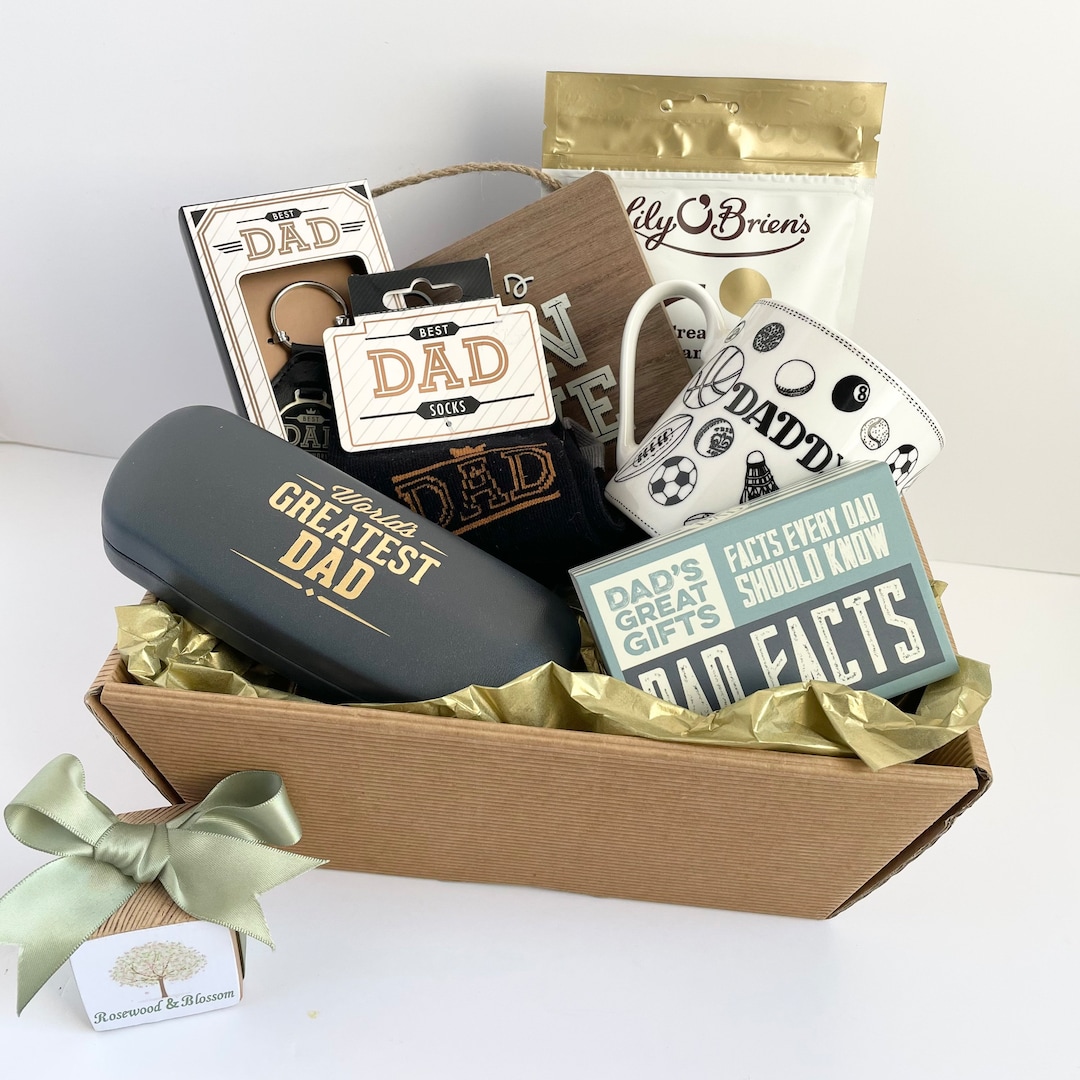
Sometimes, the Father's Day Hamper gift isn't connected to a major historical event, but to a quiet moment. Perhaps your family always gathered at the same picnic spot in the summer, or maybe there is an inside joke rooted in a childhood misunderstanding. These small narratives are goldmines. They provide the emotional resonance that makes any thoughtful gift feel deeply personal.
Beyond Objects: Gift Ideas That Speak Through Experience
We often assume that "gift" must mean physical object. This couldn't be further from the truth. A truly impactful present is often an experience, a lesson, or a shared moment in time. When considering how to select a gift that reflects our family history?, shift your focus from material value to time spent.
Consider these non-physical gifts:
- Curated Storytelling: Compile audio recordings of family members telling memories associated with the recipient. This is an heirloom of sound, priceless and unique. The "Day in the Life" Experience: Plan a day that recreates a significant past event—a meal served exactly as it was decades ago, or visiting the exact neighborhood where a beloved relative used to live. Skills Transfer Workshops: If your family has a tradition (like baking sourdough bread, woodworking, or gardening), gift the experience of learning that skill from an expert in the family line.
If I were advising someone on this, I would caution against buying anything merely because it looks old. Instead, focus on items with provenance—a verifiable story attached to them. A piece of local art is fine; a piece of art made by the specific person who lived in that house is magical.
Decoding Symbolism: The Language of Legacy
Every family carries symbols—recurring motifs that act like secret language markers. These symbols can be anything from a certain type of flower (the lily, symbolizing purity), to a particular color palette (deep navy and gold), or even a geographical landmark that appears in every generation's stories. Identifying these recurring symbols is the key to mastering how to select a gift that reflects our family history?
Do you notice patterns? Do multiple generations mention needing rest after hard labor, suggesting a theme of renewal? Are there constant references to travel, pointing toward an appreciation for exploration? These motifs act like emotional compass points. If your symbol is the old oak tree, perhaps the gift should be planting a sapling in their yard—a living representation of enduring roots.
The quote from Maya Angelou rings true here: "We may encounter controversy, but we must not become embroiled in it." Similarly, when gifting, we shouldn't get bogged down in what is expected. We need to trust the symbolism that bubbles up naturally. What if a simple photograph printed with a specific color filter—the shade of blue always associated with your grandparents’ favorite day dress—speaks volumes?
Modernizing the Meaning: Bringing History into Today’s Hands
The biggest hurdle when thinking about family history is making it feel relevant to someone living in 2024. The gift shouldn't feel like a museum exhibit; it must be functional, beautiful, and engaging. This requires merging old narratives with modern practicality.
For example, if your family always used specific herbs for remedies (the history), you could gift a beautifully designed, curated box of high-quality dried herbs and include an illustrated guide detailing their traditional uses (the modernity). If the story involves migration (the history), gift a subscription service that sends them virtual tours or museum passes related to the destination they left behind (the modernity).
It’s about making sure the historical element is merely the inspiration, not the entire product. This fusion ensures the recipient feels celebrated in both their past and present lives. When you are tackling how to select a gift that reflects our family history?, remember that subtlety beats spectacle every time.
Nurturing Your Gift-Giving Intuition for Years to Come
The process of giving gifts based on deep personal narrative is profoundly rewarding because it shifts the focus entirely away from transaction and onto connection. It turns commerce into commemoration. By slowing down, listening deeply, and treating your family's story like a precious tapestry—woven with threads of laughter, loss, resilience, and love—you ensure that whatever you give will be remembered not just for its appearance, but for the deep roots it represents.
As you move forward, start by documenting these insights. Keep a small "Gift History Journal" where you jot down potential themes or symbols as they surface during conversations. The more often you practice this mindful observation, the easier and more intuitive the process will become. You are not just selecting a gift; you are consciously participating in the ongoing preservation of your family’s beautiful story.